TCCK Revision Knee System
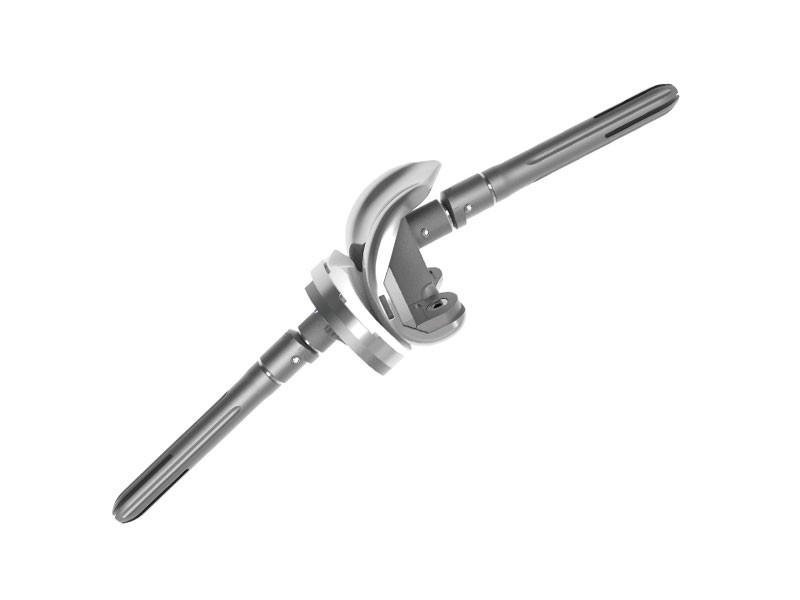
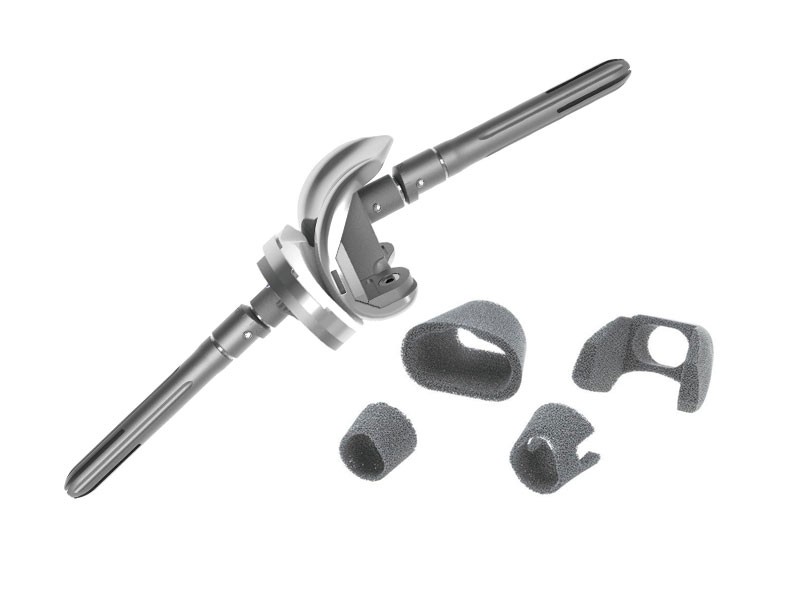
TCCK Revision Knee System
Single-radius surface (10°–110° flexion) sustains stable joint biomechanics for better postoperative recovery.
Product Features:
A single-radius articular surface design is employed throughout the 10°-110° flexion range to maintain consistent joint-space stability during the entire flexion arc, optimize the biomechanics of the extensor mechanism, and enhance postoperative flexion stability and functional recovery.
The femoral condyle, tibial insert, and tibial tray components are fully interchangeable with the primary total knee arthroplasty system, enabling flexible intraoperative combinations according to bone defects and soft-tissue conditions, thereby improving surgical adaptability.
Multiple offset options (2 mm / 4 mm / 6 mm) are available with 360° adjustable offset angle, accommodating varying intramedullary canal morphologies and residual bone surfaces to achieve precise prosthetic positioning.
Compatibility with a full range of modular augments, stems, and fillers of different sizes allows comprehensive management of bone defects and complex revision scenarios, meeting diverse clinical requirements.
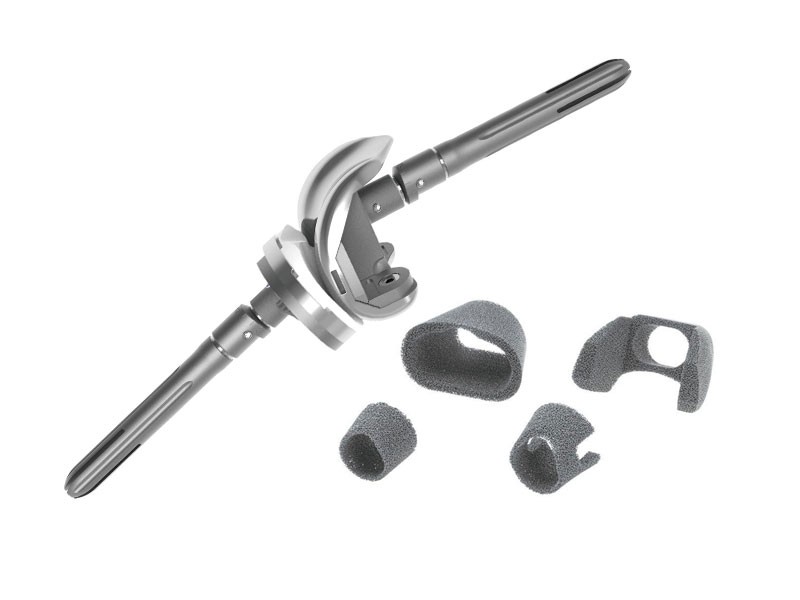
BMU Uni Knee Syetem
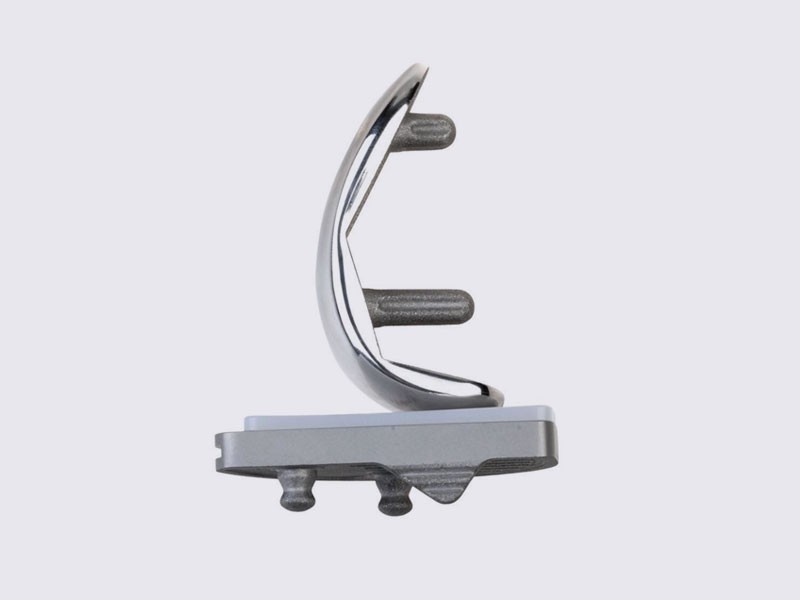
Fixed-bearing L/R-specific knee system (medial/lateral) eliminates dislocation and wear instability.
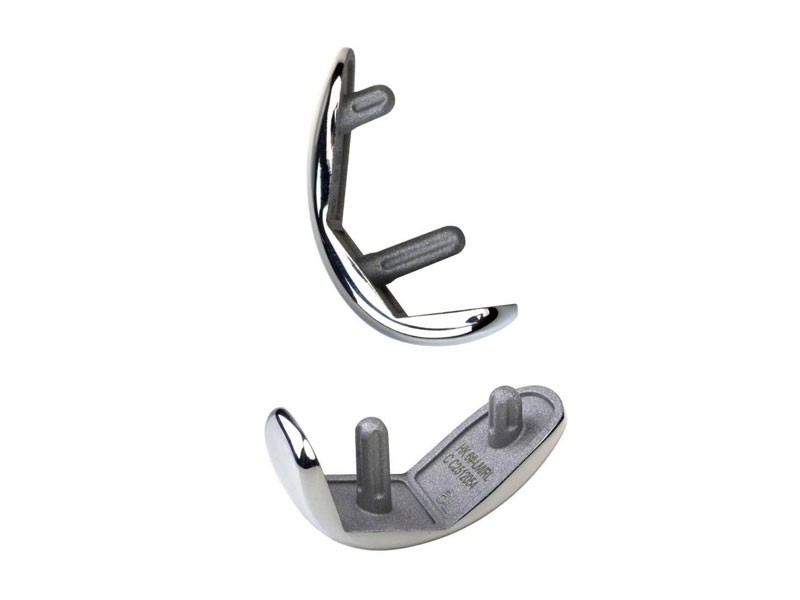
BMU Femoral Condyle
Extended posterior condyles enable deep flexion; dual-peg fixation boosts stability and reduces loosening; anatomical contouring optimizes coverage.
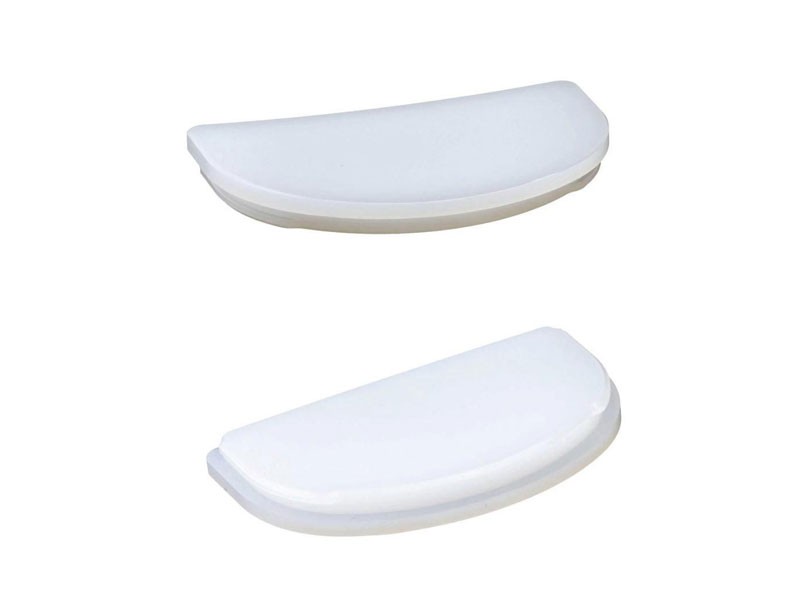
BMU Tibial Insert
Flat-on-flat geometry simplifies sizing and compatibility; HXLPE cuts wear and debris.
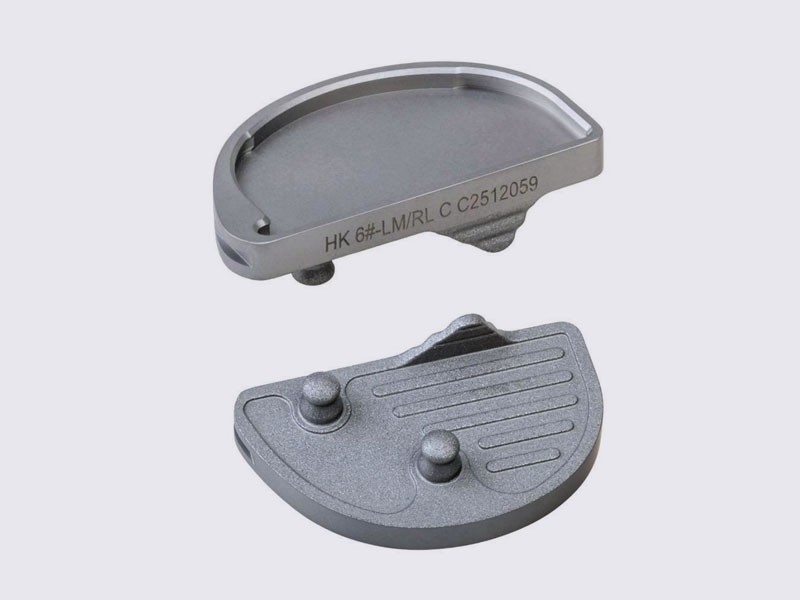
BMU Tibial Tray
Locking rim prevents insert micromotion/dislodgement; dual pegs plus triangular keel ensure rotational stability and prevent loosening.
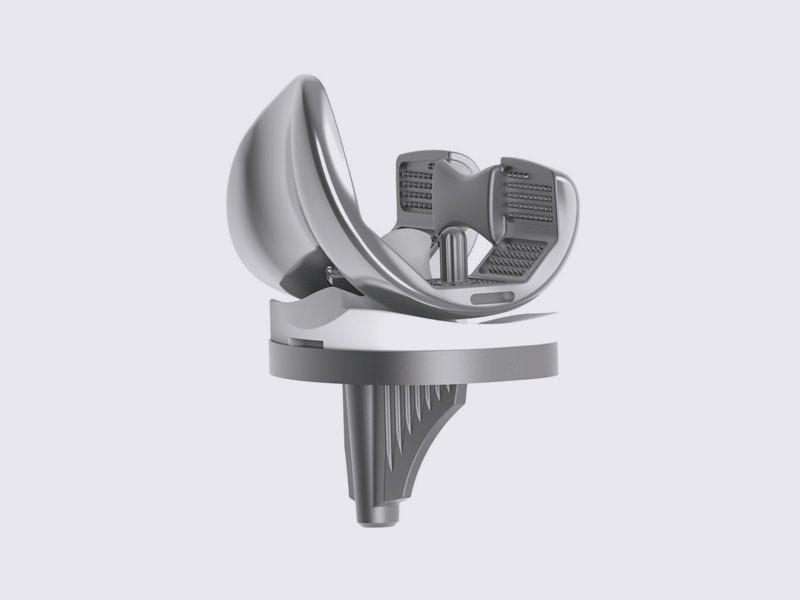
BMN Total Knee System
Single-radius, multi-spec, studded-textured fixation prosthesis solves matching, instability, and early loosening.
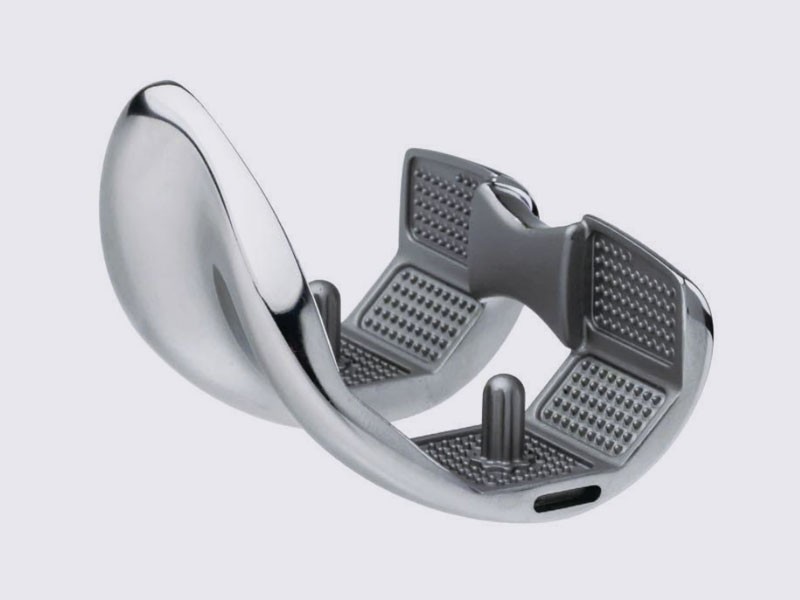
BMN Femoral Condyle
Single-radius (0°–90°) condyle: +30% cement contact, extended anterior condyle, minimal intercondylar resection, multiple sizes—stable, fixed, matched.
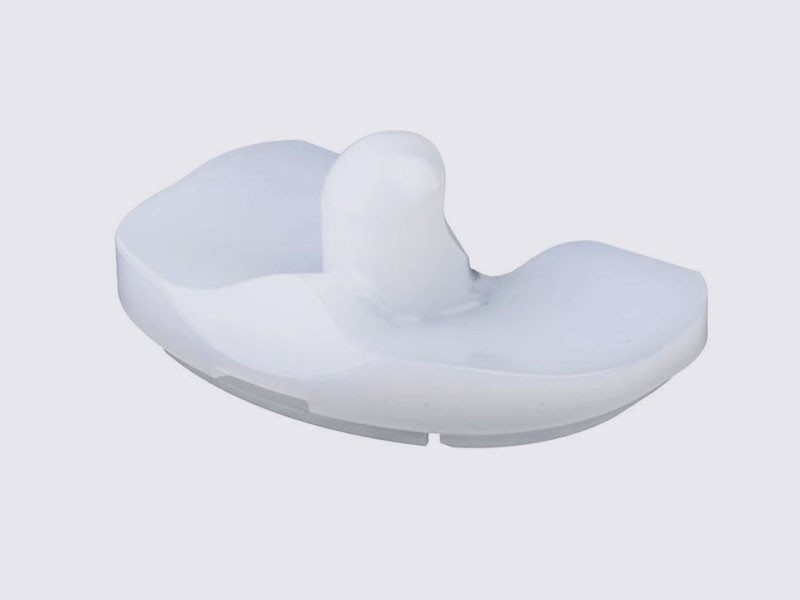
BMN Tibial Insert
Wear-resistant UHMWPE insert: anti-clunk anterior, rounded posterior for rotation, spherical surface for conformity/freedom.
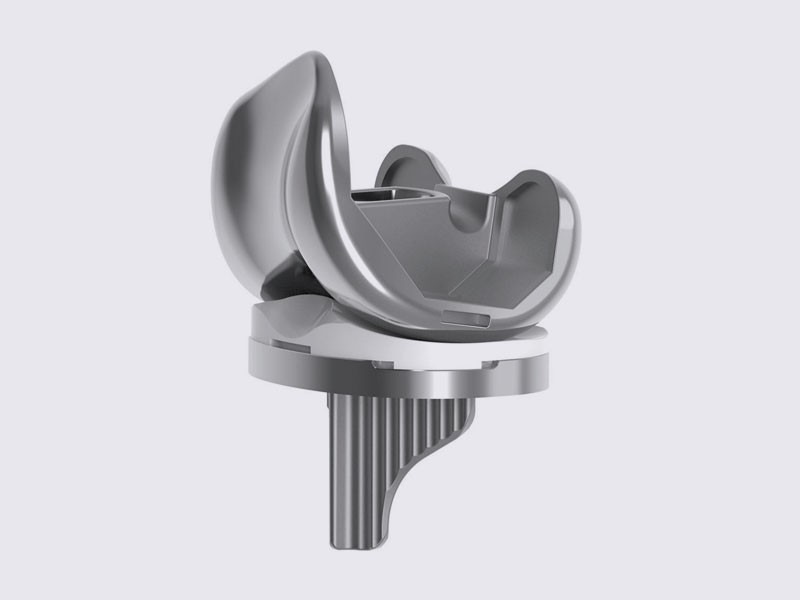
BMT Total Knee System
Anatomic single-radius knee with 150° flexion and locking-edge anti-rotation ensures fit, stability, natural motion, and less wear.
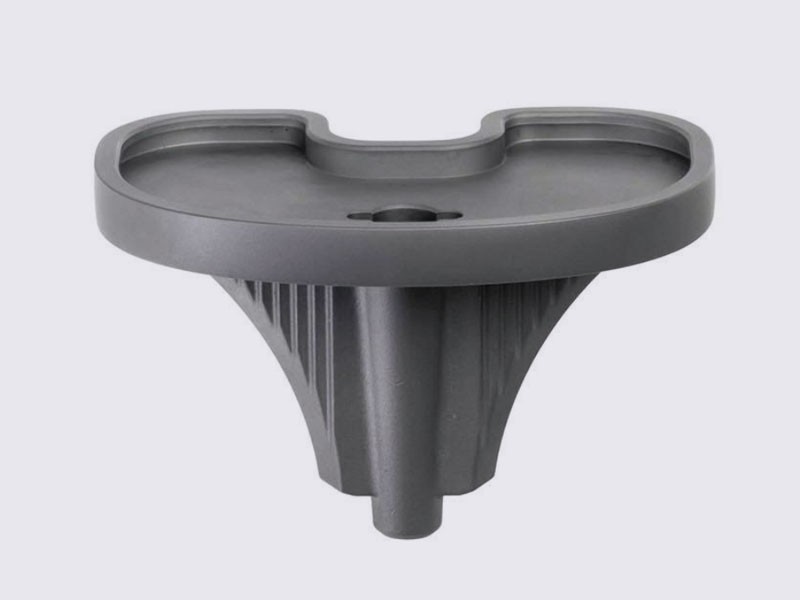
Tibial Tray
Enclosed direct-lock tray: no ionization/micromotion wear; triangular keel protrusion resists rotation/subsidence; multi-size.
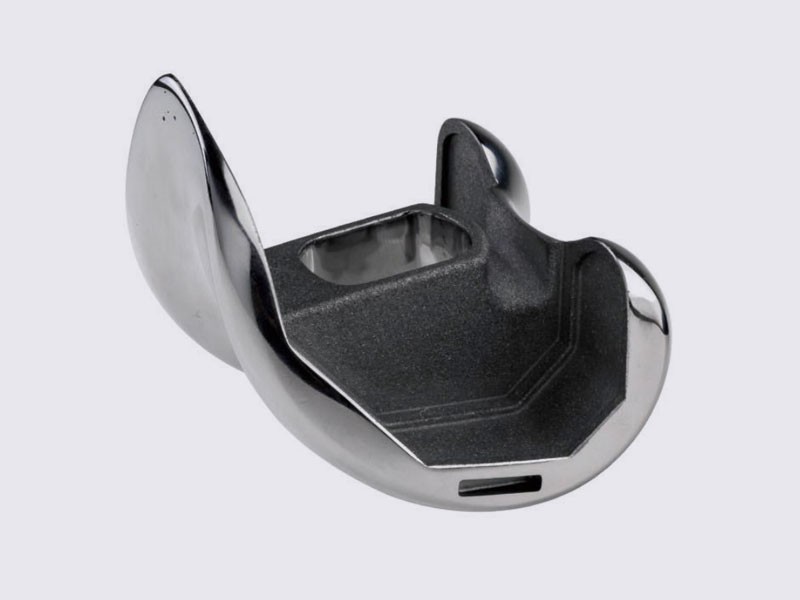
BMT Femoral Condyle
Single-radius knee (10°–110°, 150° flexion, ±20° rotation): stable, low-effort/low-wear, validated patellar tracking, 7° anti-notch tilt, multi-size.
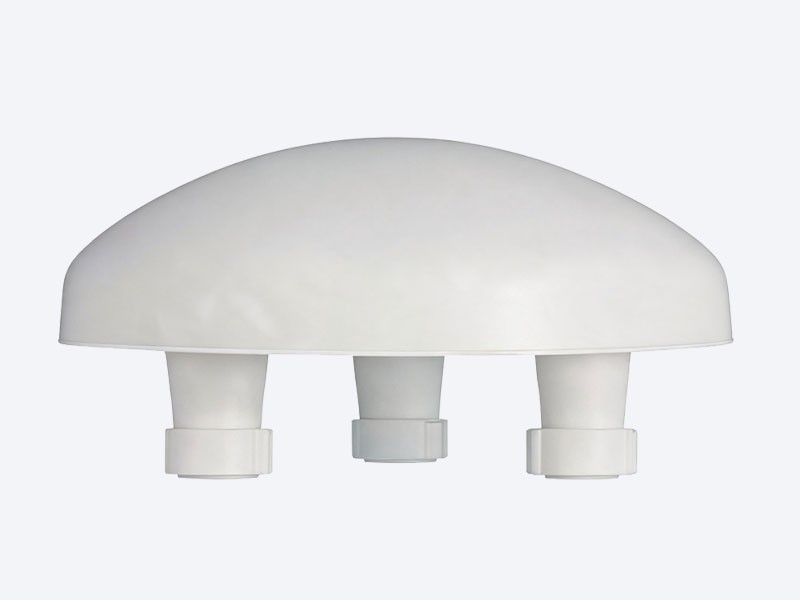
Patella
The dome-shaped patella exhibits superior tolerance compared to other designs and can provide more reliable and appropriate contact;
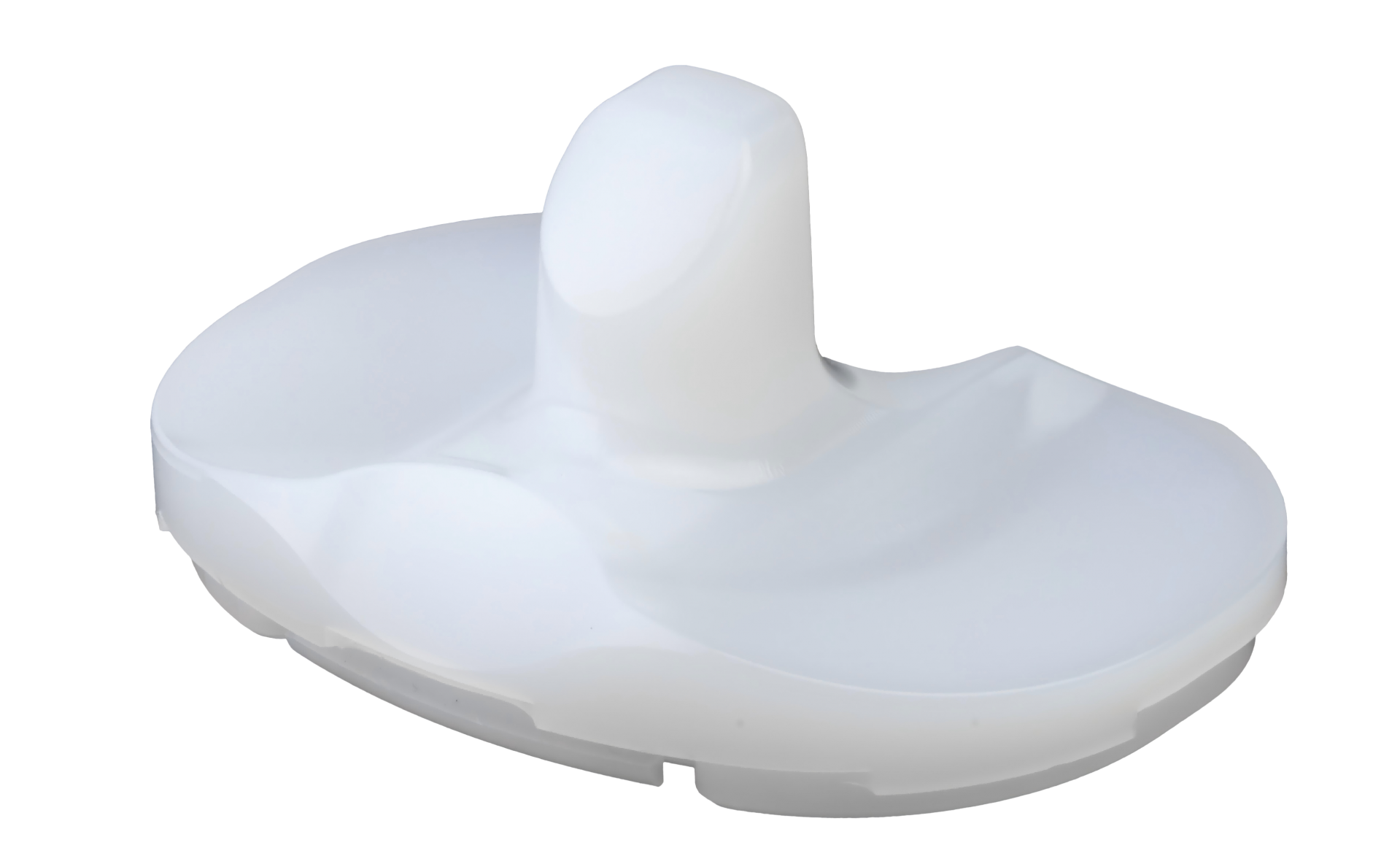
BMT Tibial Insert
Smooth anterior arc, 45° cam/post engagement and spherical surface deliver anti-impingement, stable kinematics with size options for clinical fit.
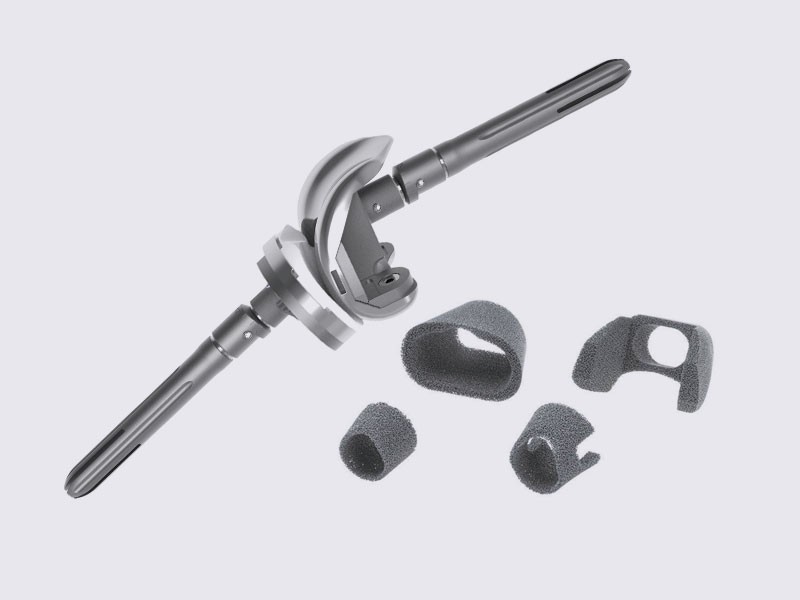
TCCK Revision Knee System
Single-radius surface (10°–110° flexion) sustains stable joint biomechanics for better postoperative recovery.
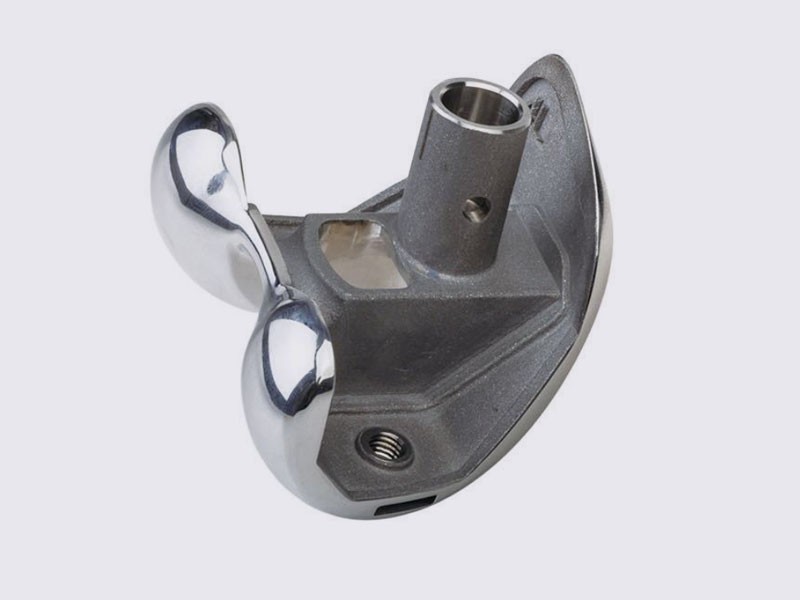
TCCK Femoral Condyle
Primary-matched articulation eases revision; 6° valgus stem + offset adapters ensure alignment.
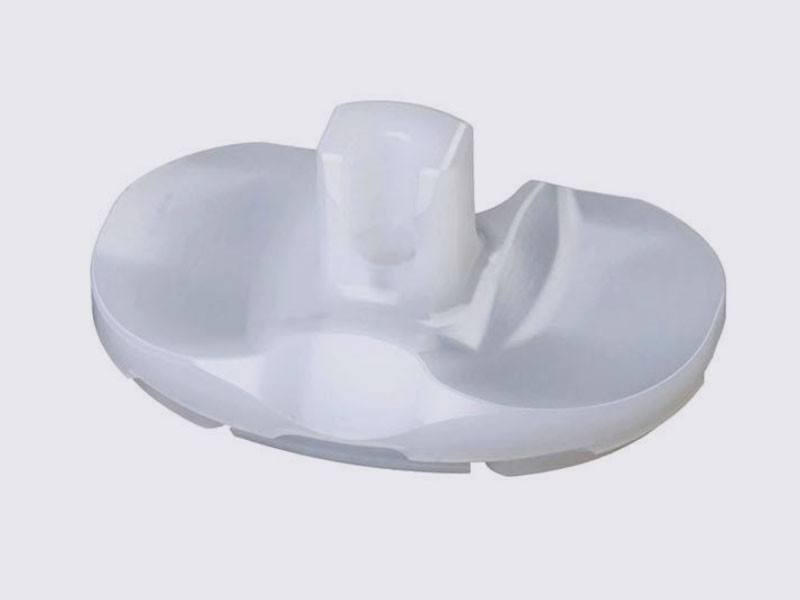
TCCK Tibial Insert
Matched articular geometry, reinforced post for multi‑axial constraint and full sizes deliver stable revision knee fit.