BMN Total Knee System
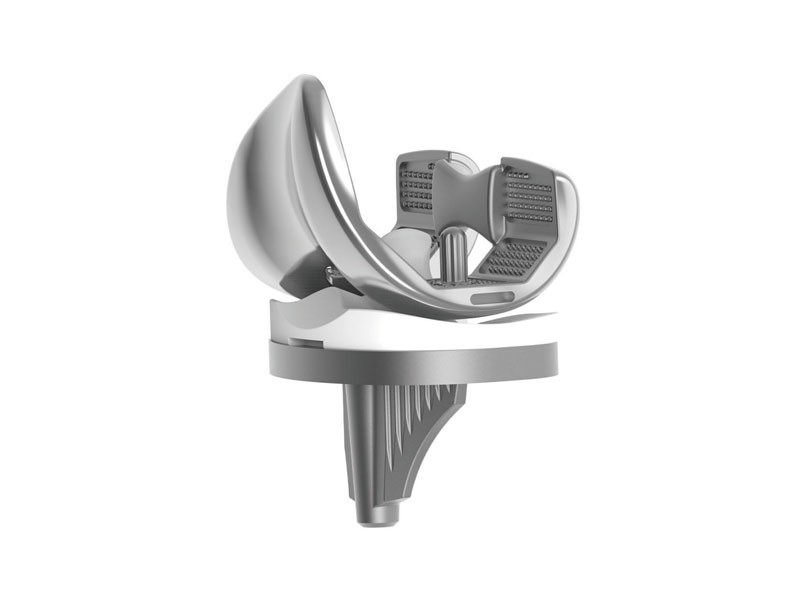
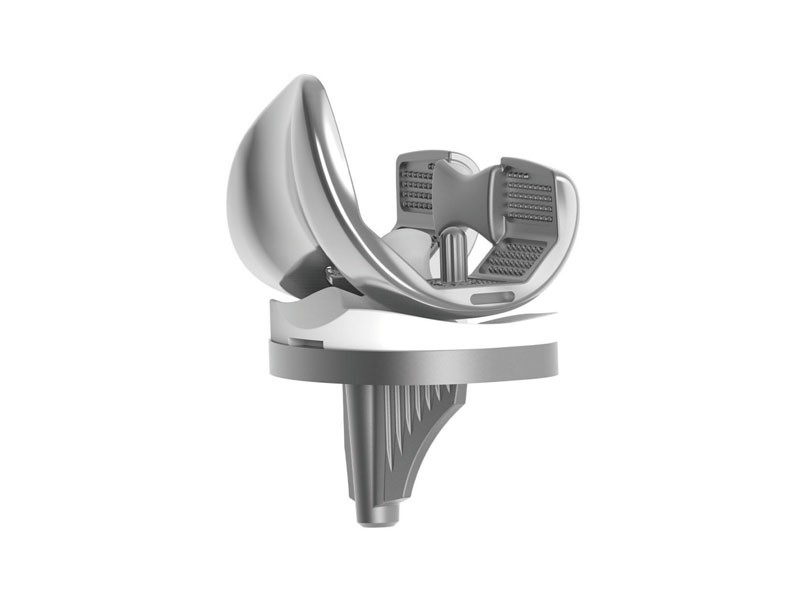
BMN Total Knee System
Single-radius, multi-spec, studded-textured fixation prosthesis solves matching, instability, and early loosening.
Product Features:
Three major points of the solution:Intraoperative:
Human body size design with more specification options to address matching issues.
Postoperative:
A single-radius prosthesis resolves post-op instability and discomfort.
Early stage:
Studded textured fixation interface prevents early implant micromotion and loosening.
Three major points of the solution:
Intraoperative:
Human body size design with more specification options to address matching issues.
Postoperative:
A single-radius prosthesis resolves post-op instability and discomfort.
Early stage:
Studded textured fixation interface prevents early implant micromotion and loosening.
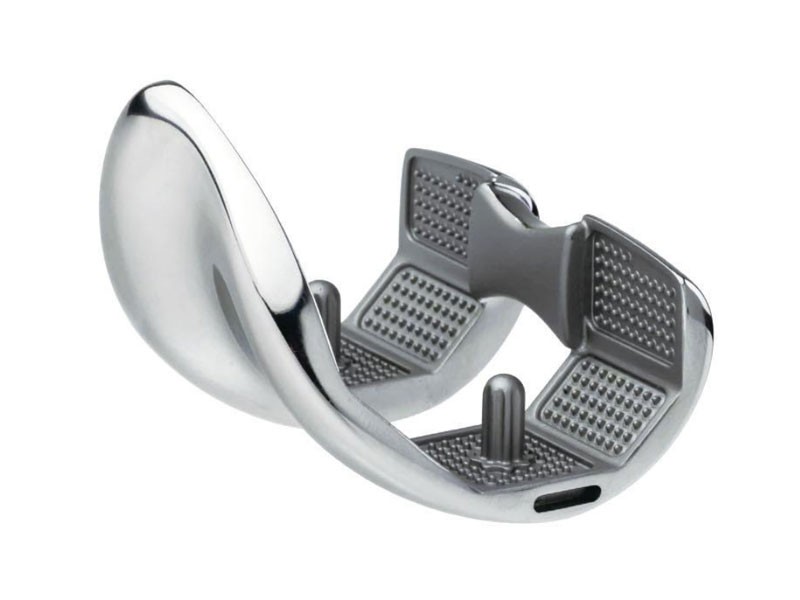
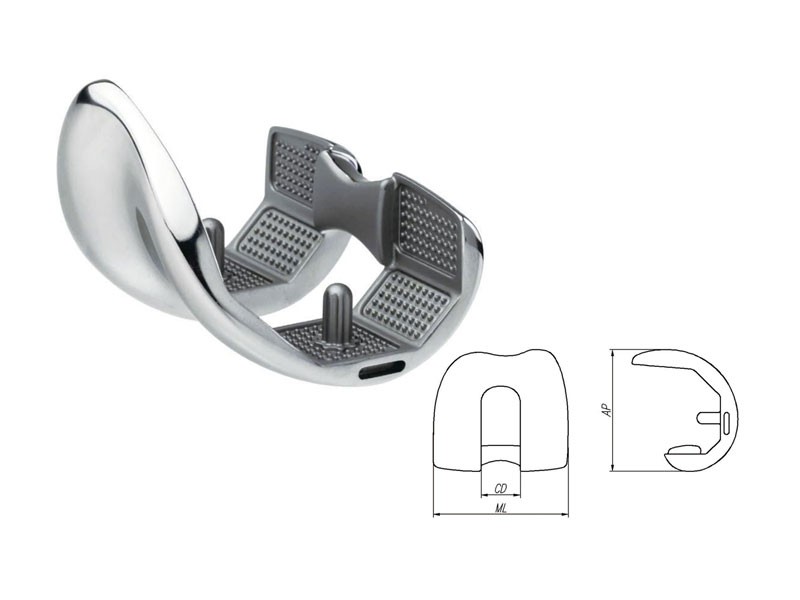
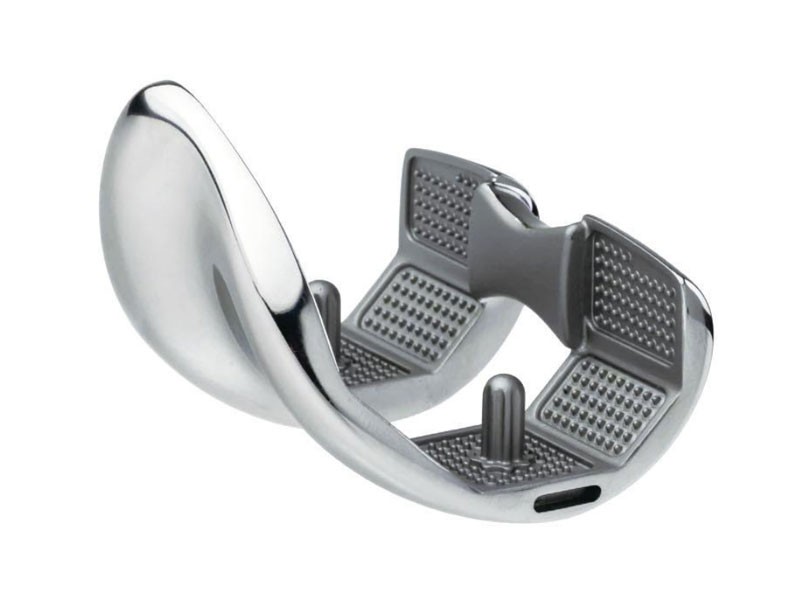
Femoral Condyle
1. A single-radius curvature from 0° to 90° maintains consistent collateral ligament tension during knee flexion and extension, minimizing ligament injury and improving prosthetic stability.
2. The femoral condyle internal surface features a studded macrotextured interface, increasing cement contact area by 30% and enhancing cemented fixation strength.
3. The extended anterior condyle design of the femoral condyle increases the patellar groove length, creating a patella-friendly interface that effectively prevents patellar dislocation, avoiding patellar snapping and anterior knee pain.
4. Intercondylar transverse diameter design minimizes intercondylar bone resection while conforming to human anatomy.
5. More prosthetic sizes can maximally satisfy clinic matching installation.
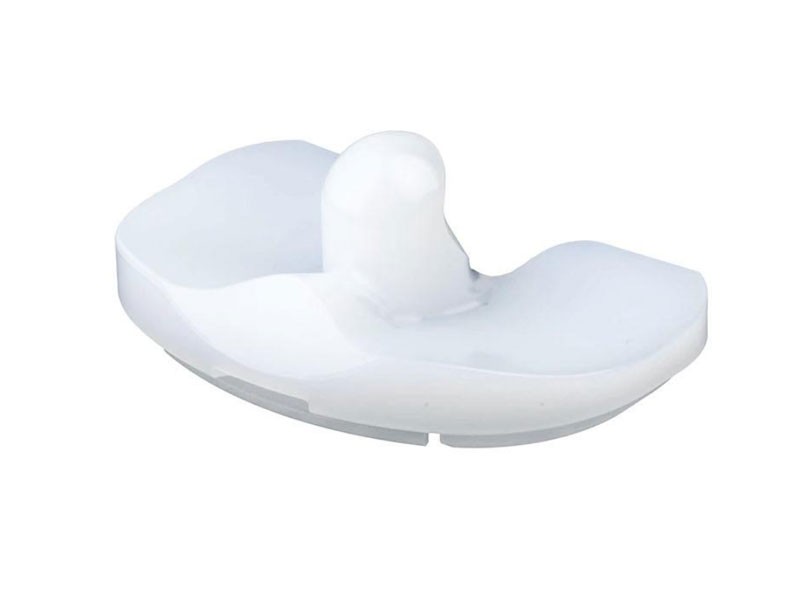
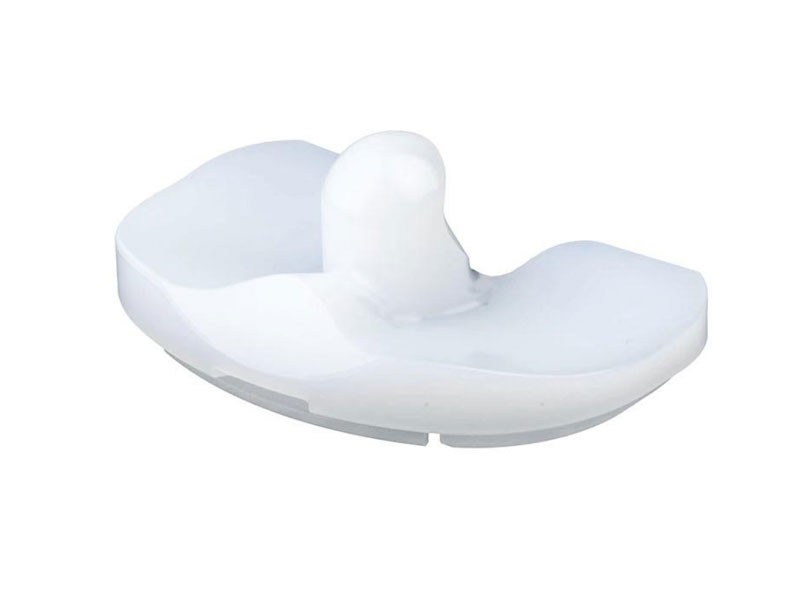
Tibial Insert
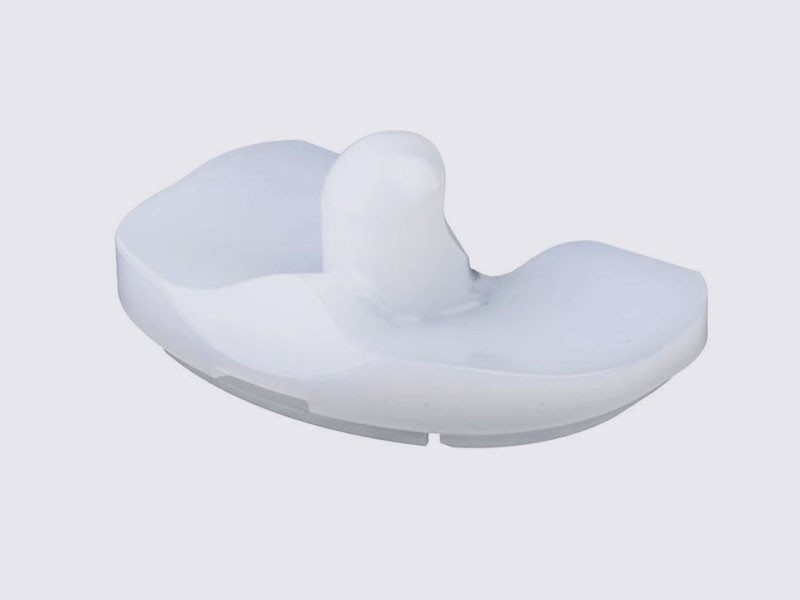
1. The conventional UHMWPE material enhances the wear resistance of the tibial insert, reducing wear debris generation and improving implant longevity.
2. The smoothly contoured anterior profile of the tibial insert post prevents patellar clunk syndrome during high flexion by reducing patella impingement.
3. The rear of the pillar is treated with a rounded arc to enhance internal and external rotation changes in the femorotibial joint during high flexion and increase contact area, enhancing stability.
4. The surface of the tibial insert features a spherical curvature design for greater conformity and increased rotational freedom.
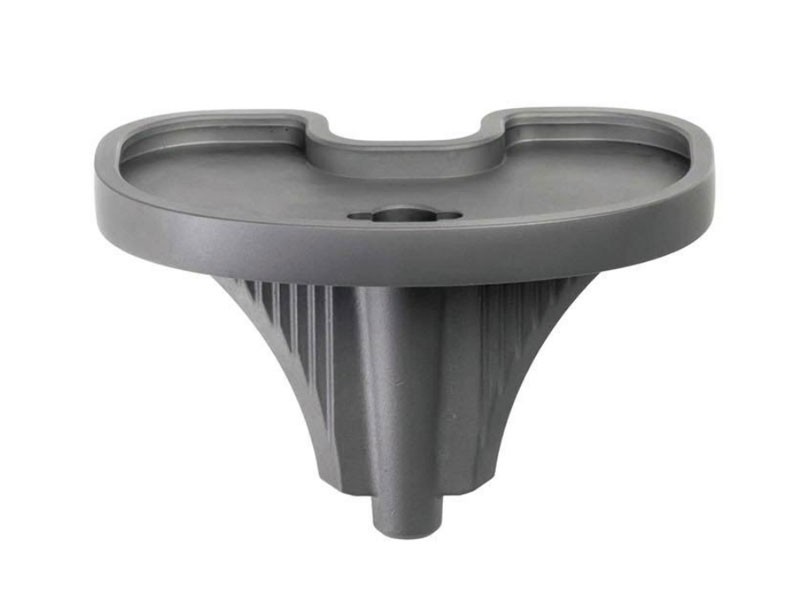
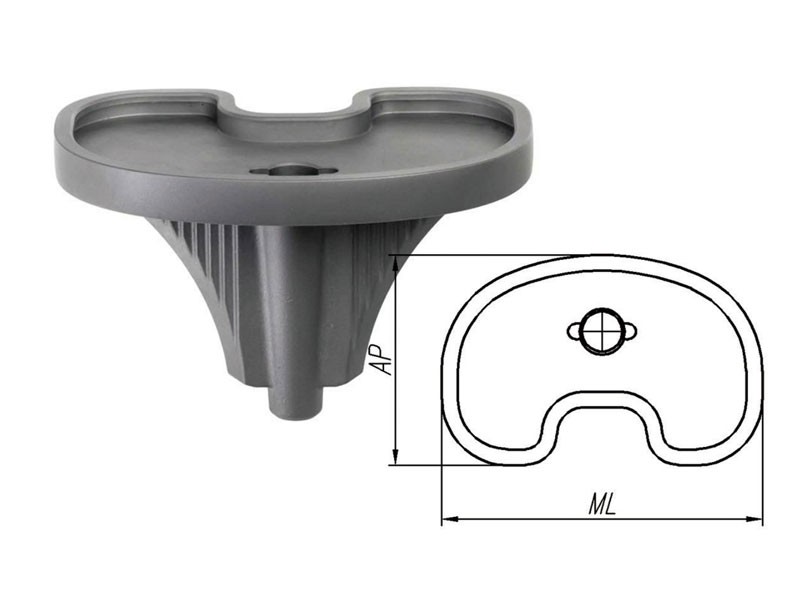
Tibial Tray
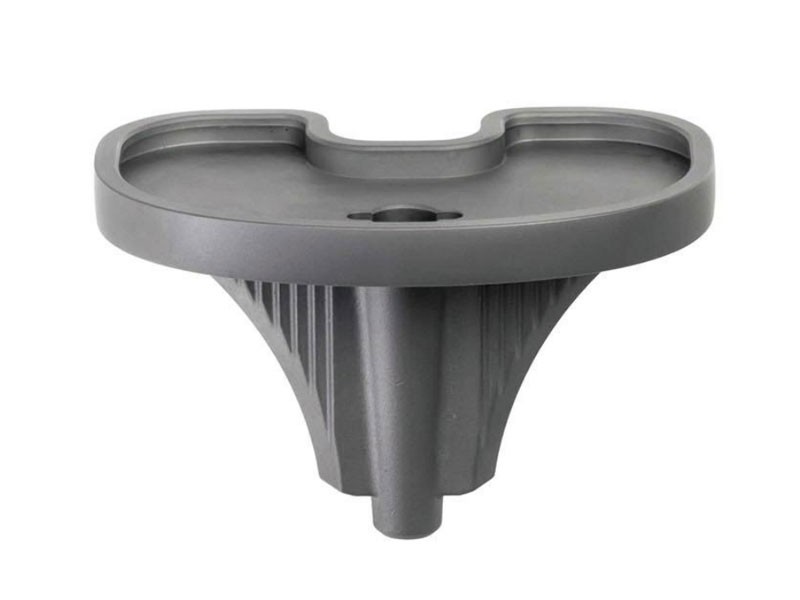
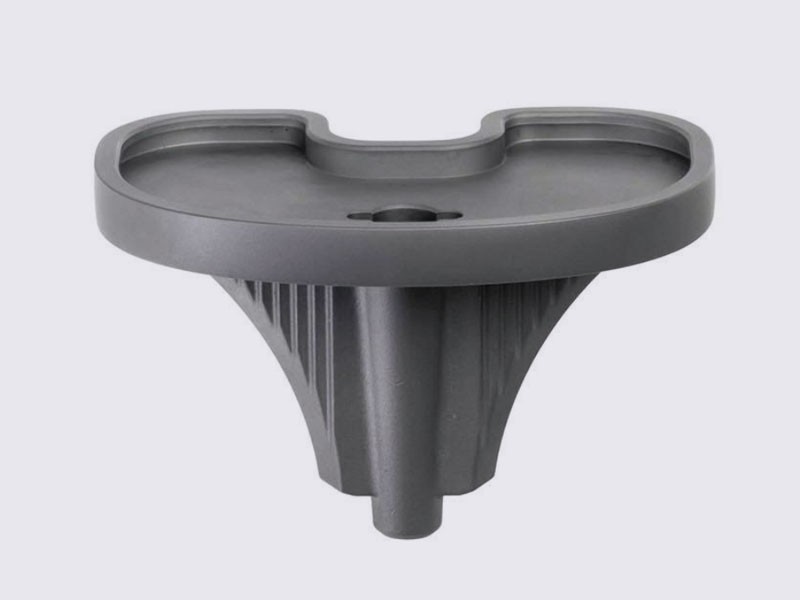
1. The tibial tray features a fully enclosed modular Design. The high molecular weight polyethylene insert uses a direct locking mechanism, which can prevent the metal ionization phenomenon caused by traditional metal ring lock mechanisms moreover significantly reduce additional wear from minor movements.
2. The tibial tray triangular keel design maximizes prevention of rotation at the tibial base, enhancing stability. The keel protrusion design maximizes contact area, reducing local bone load bearing, effectively preventing subsidence.
3. More prosthetic sizes can maximally satisfy clinic matching installation.
| Spec. | BMN Femoral Condyle (L/R) | ||
|---|---|---|---|
| ML | AP | Intercondylar width | |
| 3# | 57 | 51 | 18 |
| 4# | 60 | 54 | |
| 5# | 62 | 56 | |
| 6# | 65 | 58 | 20 |
| 7# | 67 | 61 | |
| 8# | 70 | 63 | |
| 9# | 72 | 65 | |
| 11# | 77 | 70 | |
BMU Uni Knee Syetem
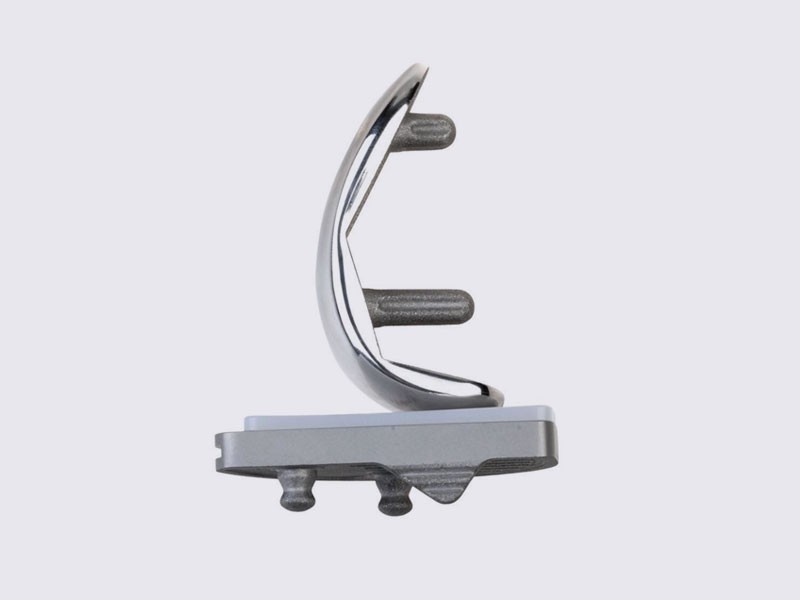
Fixed-bearing L/R-specific knee system (medial/lateral) eliminates dislocation and wear instability.
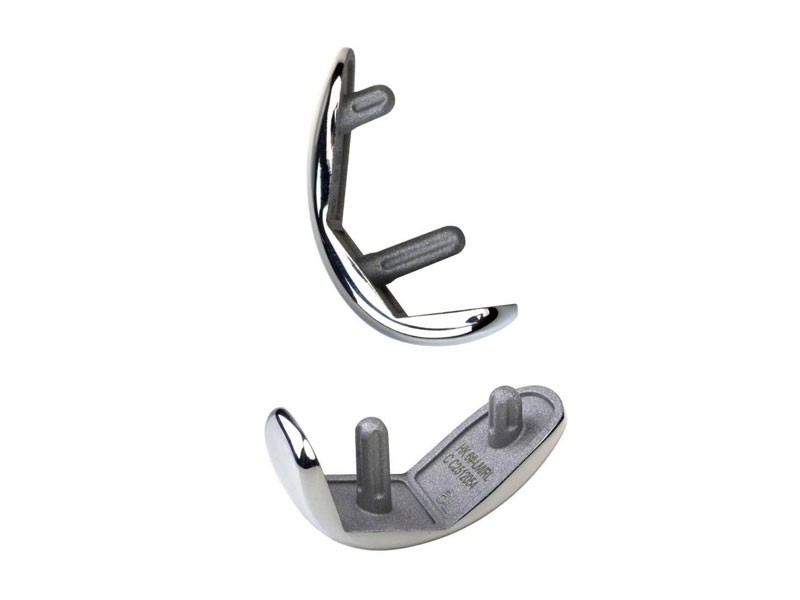
BMU Femoral Condyle
Extended posterior condyles enable deep flexion; dual-peg fixation boosts stability and reduces loosening; anatomical contouring optimizes coverage.
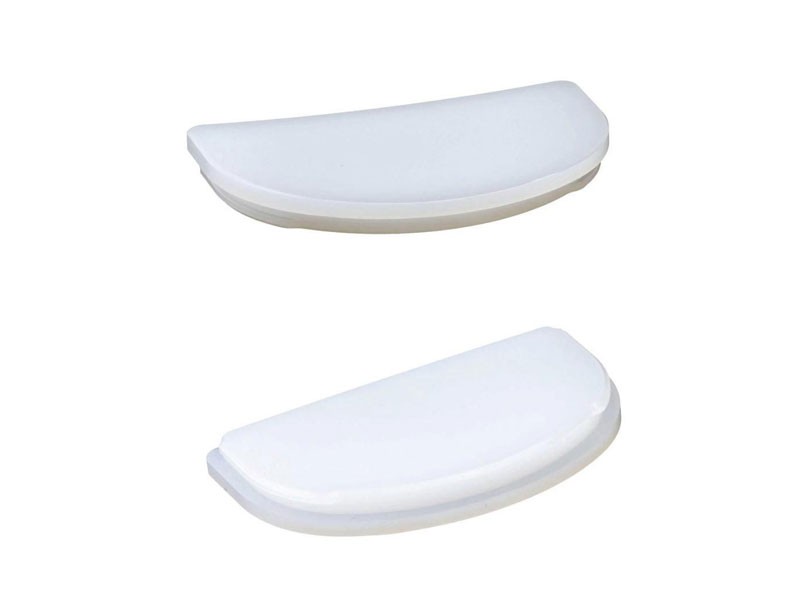
BMU Tibial Insert
Flat-on-flat geometry simplifies sizing and compatibility; HXLPE cuts wear and debris.
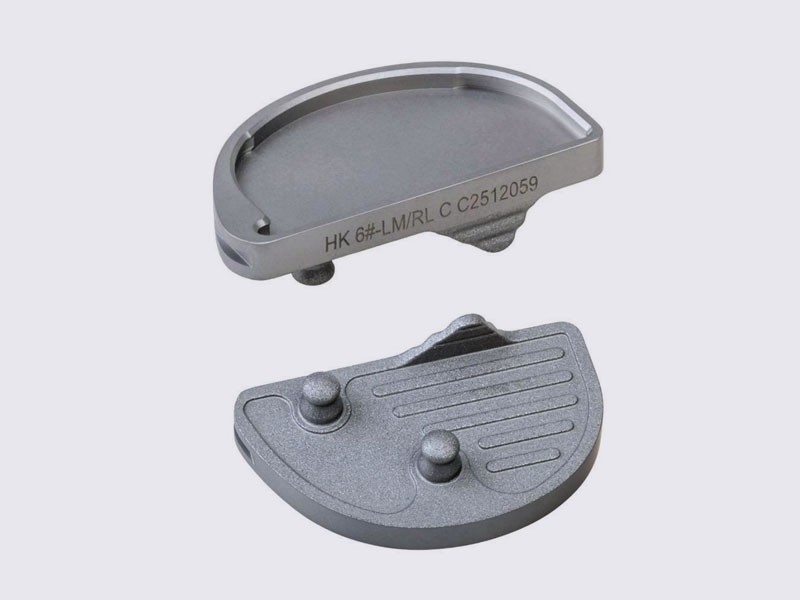
BMU Tibial Tray
Locking rim prevents insert micromotion/dislodgement; dual pegs plus triangular keel ensure rotational stability and prevent loosening.
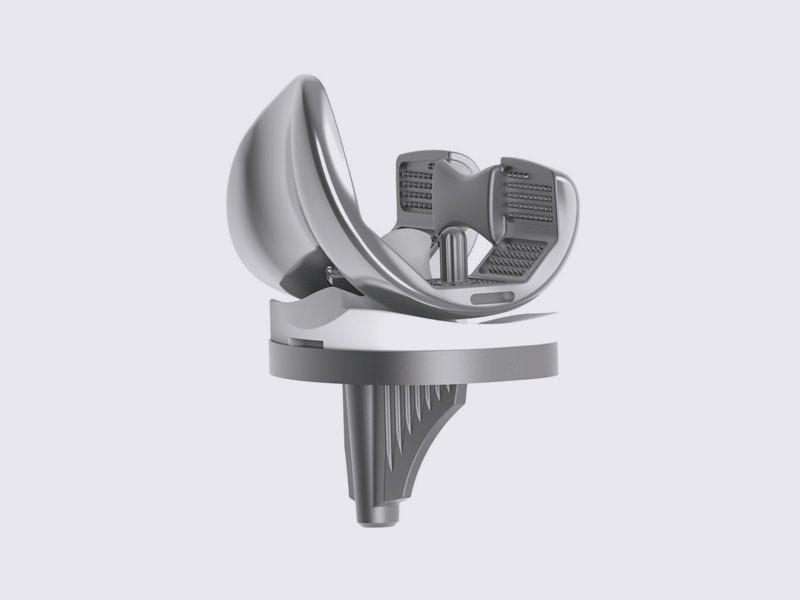
BMN Total Knee System
Single-radius, multi-spec, studded-textured fixation prosthesis solves matching, instability, and early loosening.
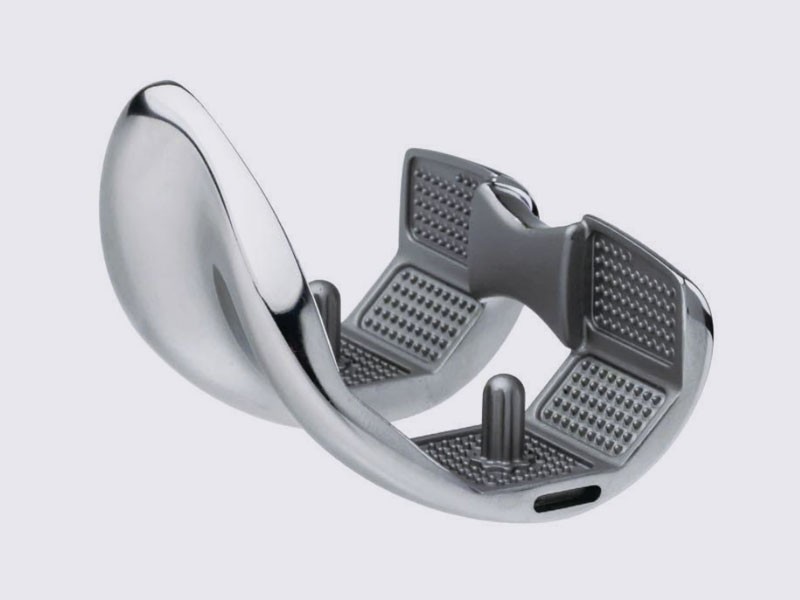
BMN Femoral Condyle
Single-radius (0°–90°) condyle: +30% cement contact, extended anterior condyle, minimal intercondylar resection, multiple sizes—stable, fixed, matched.
BMN Tibial Insert
Wear-resistant UHMWPE insert: anti-clunk anterior, rounded posterior for rotation, spherical surface for conformity/freedom.
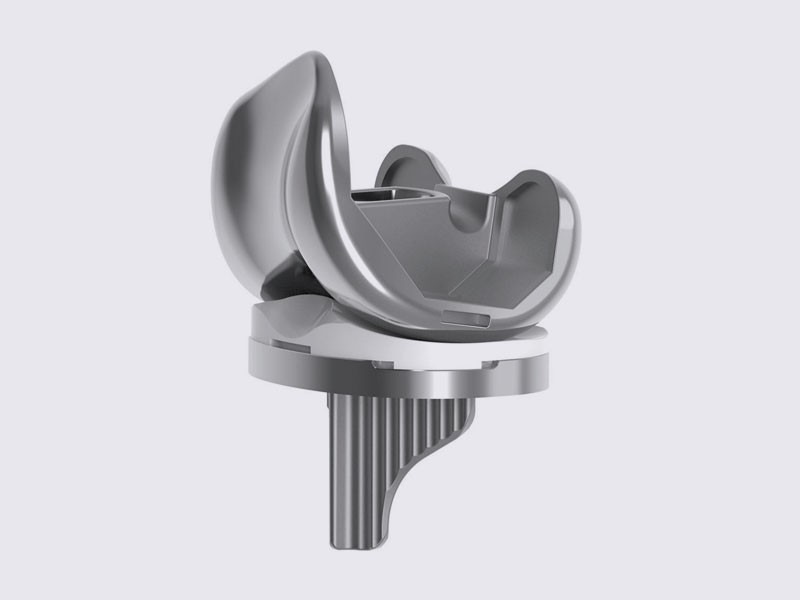
BMT Total Knee System
Anatomic single-radius knee with 150° flexion and locking-edge anti-rotation ensures fit, stability, natural motion, and less wear.
Tibial Tray
Enclosed direct-lock tray: no ionization/micromotion wear; triangular keel protrusion resists rotation/subsidence; multi-size.
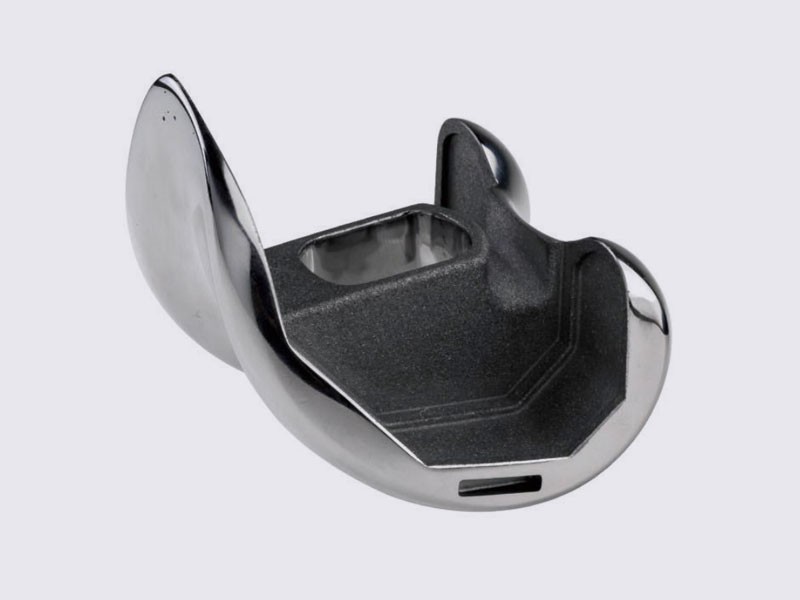
BMT Femoral Condyle
Single-radius knee (10°–110°, 150° flexion, ±20° rotation): stable, low-effort/low-wear, validated patellar tracking, 7° anti-notch tilt, multi-size.
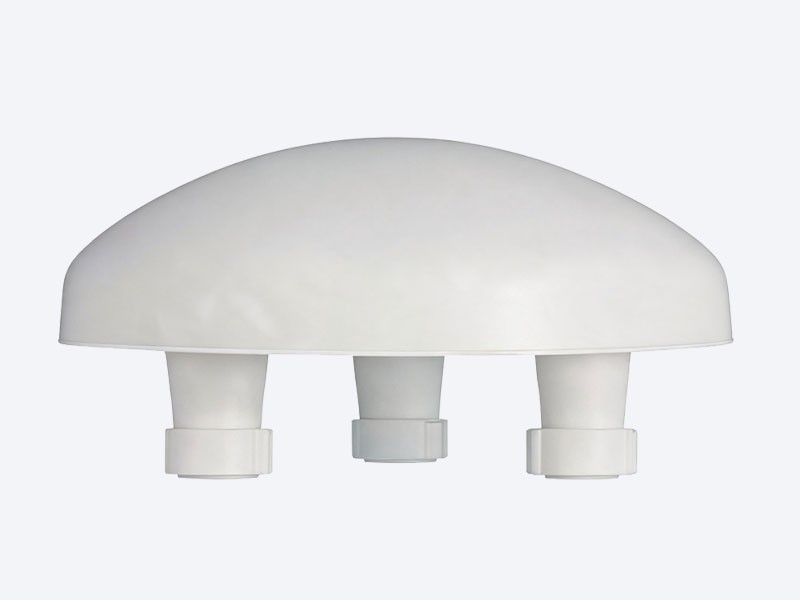
Patella
The dome-shaped patella exhibits superior tolerance compared to other designs and can provide more reliable and appropriate contact;
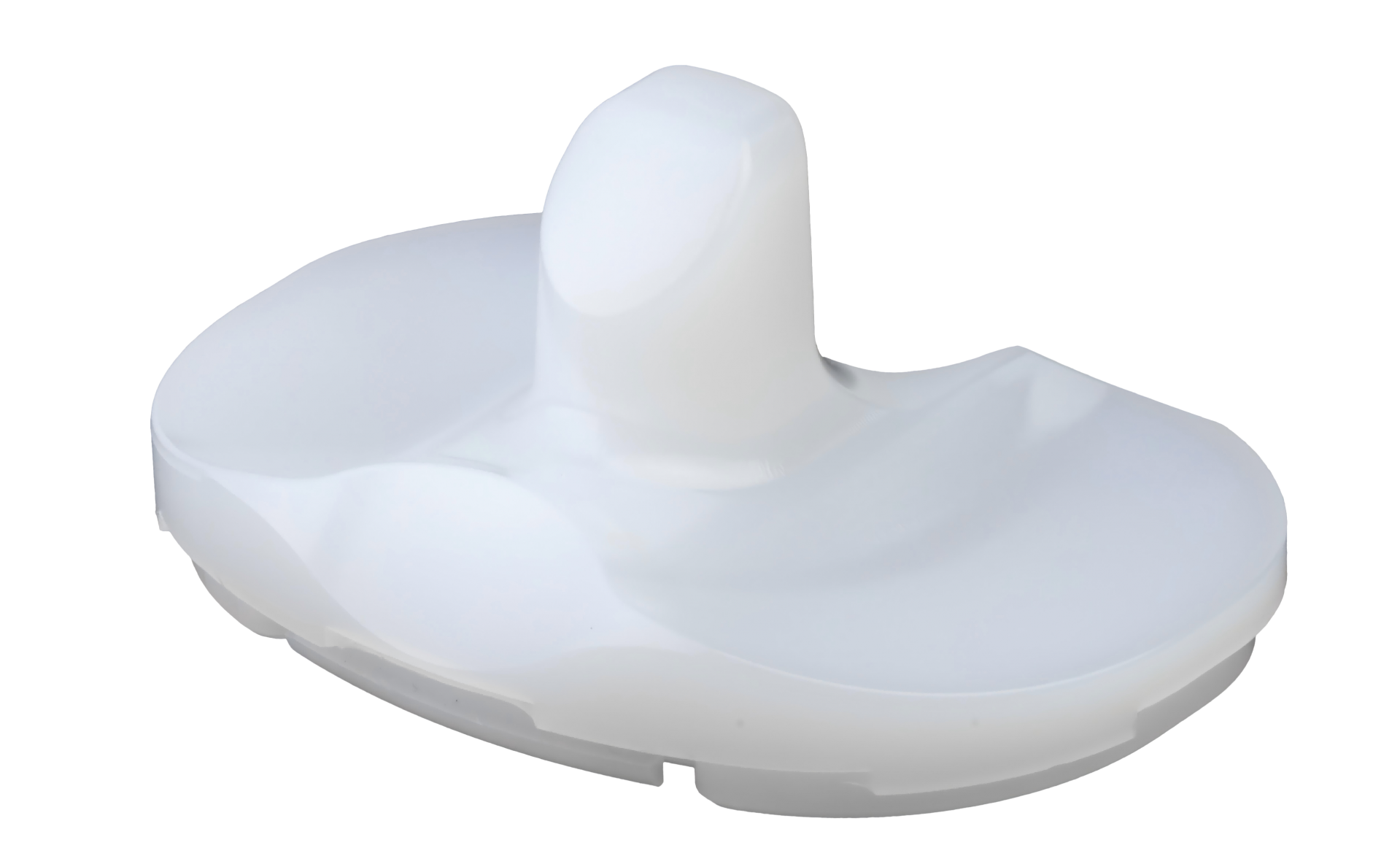
BMT Tibial Insert
Smooth anterior arc, 45° cam/post engagement and spherical surface deliver anti-impingement, stable kinematics with size options for clinical fit.
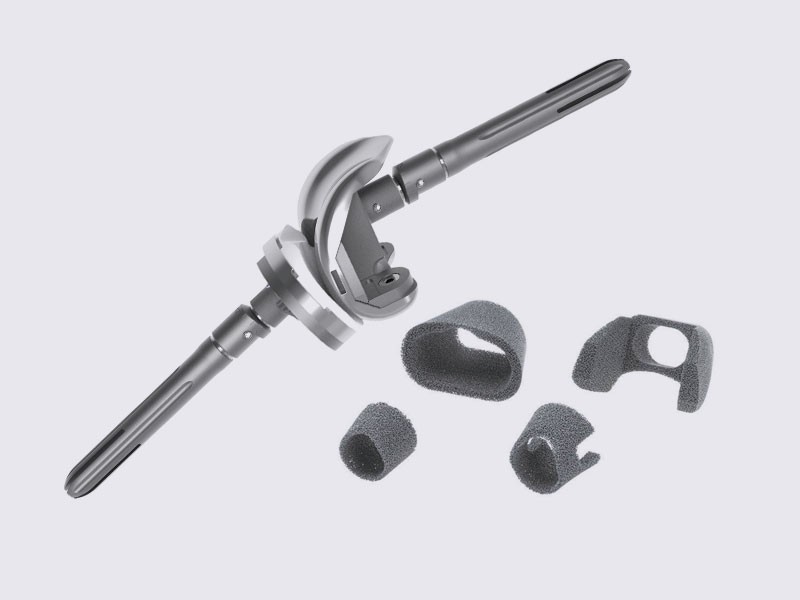
TCCK Revision Knee System
Single-radius surface (10°–110° flexion) sustains stable joint biomechanics for better postoperative recovery.
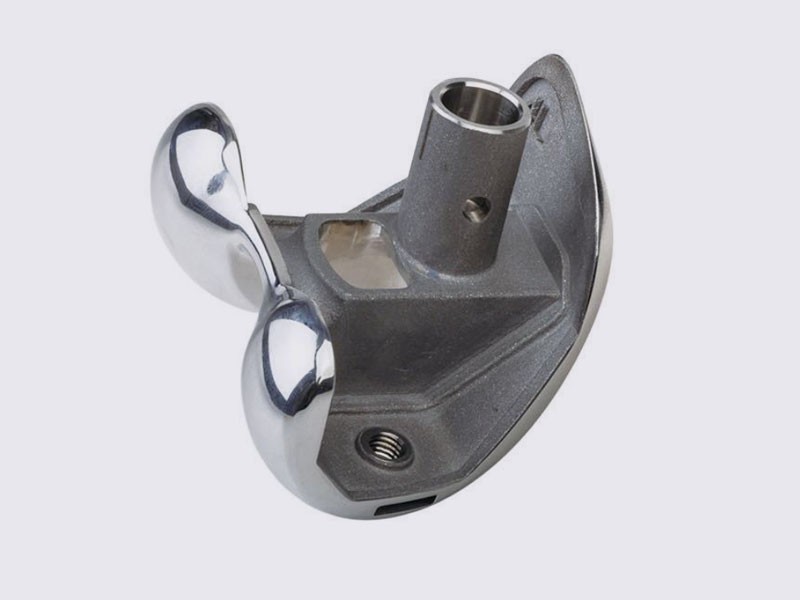
TCCK Femoral Condyle
Primary-matched articulation eases revision; 6° valgus stem + offset adapters ensure alignment.
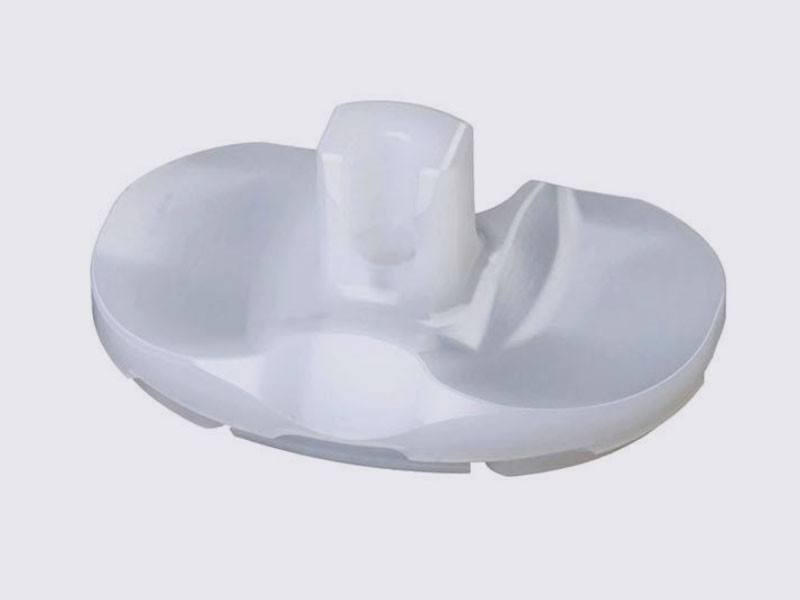
TCCK Tibial Insert
Matched articular geometry, reinforced post for multi‑axial constraint and full sizes deliver stable revision knee fit.